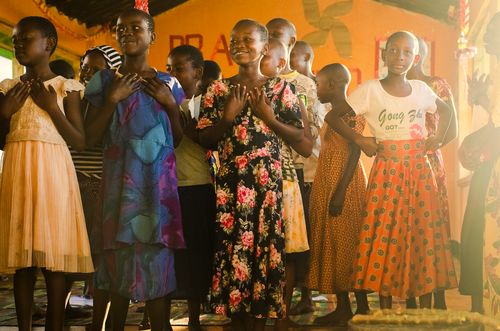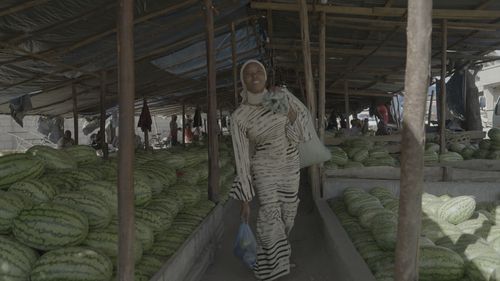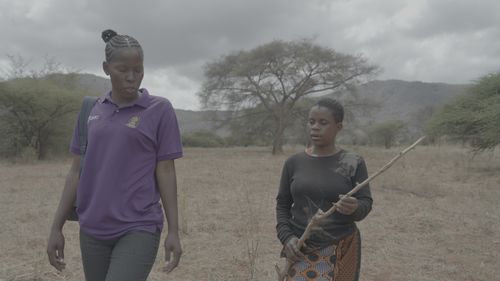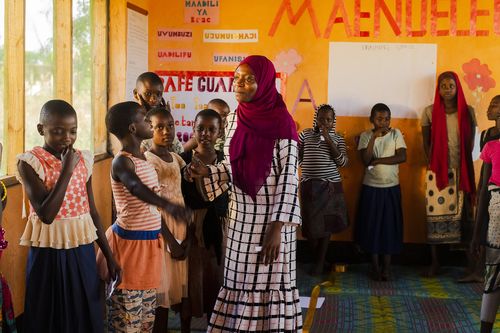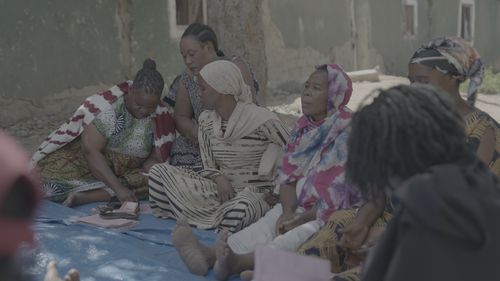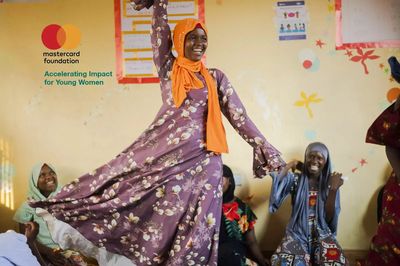
The Mastercard Foundation Accelerating Impact for Young Women (AIM) in partnership with BRAC programme supports two million adolescent girls and young women (AGYW) from vulnerable communities across seven countries in Africa, with the overarching goal of improving their quality of life.
The programme supports adolescent girls to complete at least lower secondary education and access safer and higher-quality learning environments. It provides young women with age-appropriate entrepreneurship, employability, and life skills training, as well as the tools to start and scale their own businesses. Additionally, the programme works with families, communities, and local actors to create a more supportive environment that encourages positive social and behaviour change for the participants. AIM builds on BRAC’s proven, evidence-based approaches in youth empowerment, microfinance, agriculture, and skills development to help young women improve their lives and livelihoods. The programme is part of the Mastercard Foundation’s Young Africa Works strategy, which aims to help 30 million young Africans – 70% of them young women – access dignified and fulfilling work by 2033.
The AIM programme supports:
- Very young adolescent girls aged between 12-14, and adolescent girls aged between 15-17 who are able to pursue formal education in their journey through secondary education by addressing the barriers that often prevent girls from staying in school. Financial assistance is provided to her parents or guardians to ease the economic burden of continuing education. At school, teachers receive training on gender awareness and inclusive teaching practices, helping create a more supportive learning environment. This age group also takes part in a peer learning circle where they receive academic and socio-emotional support while setting goals for her future. Beyond the classroom, BRAC engages school leaders and parents through gender-sensitive training to foster school environments that better support girls’ education. With financial support, improved quality of education, mentorship, and encouragement from family and community, they will be able to complete secondary school and be ready to pursue their dreams.
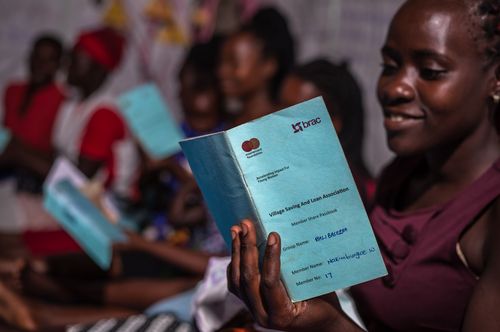
- Adolescent girls aged 15-17, who cannot access formal education, young women aged 18-24, and early adults aged 25-35 join a savings group and receive financial literacy and entrepreneurship training. The programme offers livelihood training, along with start-up assets or capital, enabling the participants to begin a business and generate an income. The AIM field teams also link participants to market actors, service providers, and microfinance institutions that help strengthen and expand their businesses. With the necessary skills, confidence, and access to markets and financial services, the young woman’s business is able to grow and sustain itself.
Anticipated reach
2M
adolescents
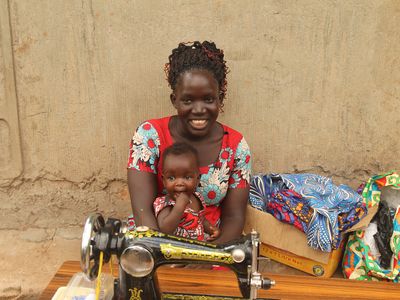
6.4M
people in the communities we support
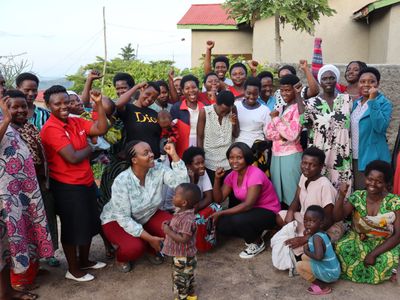
7
countries
ANTICIPATED IMPACT
Directly improve the lives of two million participants across seven countries, and work with them and their allies to drive an enabling environment for girls and young women to thrive.
Programme goals:
- Participants gain confidence to exercise their agency (understand their choices and practice informed decision-making) through delivery of training and access to youth-friendly sexual and reproductive health and rights (SRHR), psychosocial and protection services
- Reduced incidences of gender-based violence, including teenage pregnancy, as adolescent boys and young men become supportive allies of girls and young women
- Participants gain market-relevant skills and build sustainable livelihoods by accessing training, resources, networks, and markets
- Participants are empowered to advocate for their rights, and access decision-making platforms to influence policies and practices that affect them
Three pillars of impact
-
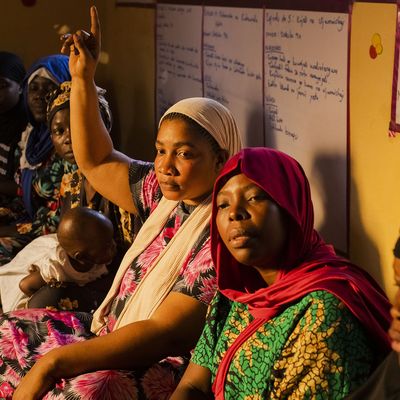
Social empowerment
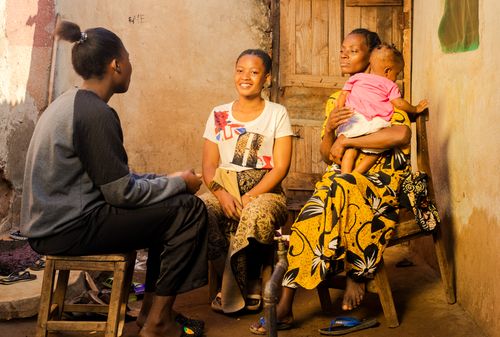
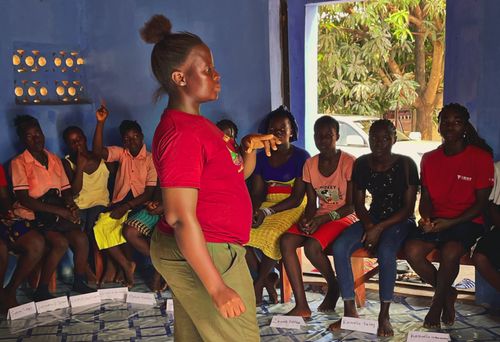
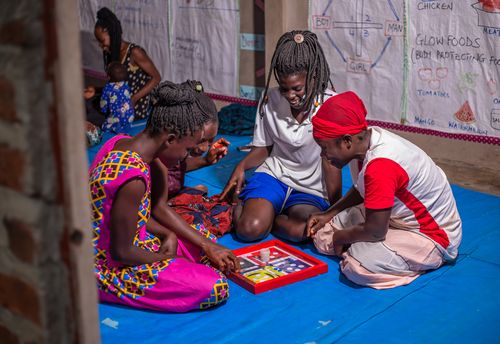
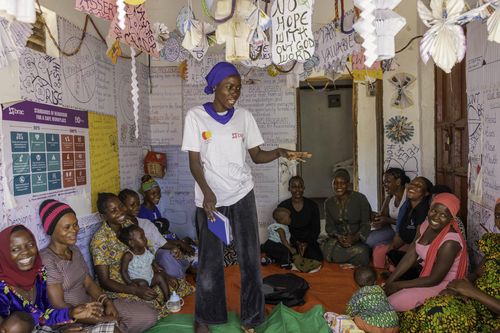
This pillar builds on the resilience and strengths of AGYW to navigate the transition to adulthood. All AGYW receive a six-month, age-appropriate life skills training in community-based AIM clubs. Delivered by a mentor from the same community, the curriculum focuses on strengthening psychosocial and interpersonal skills, including confidence, emotional well-being, healthy relationships, financial literacy, and sexual and reproductive health.
-
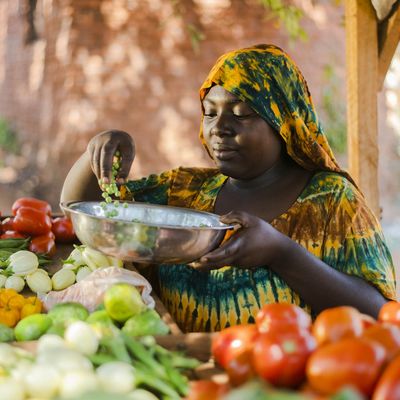
Education and Livelihoods
This pillar represents a major investment in individual capacities, aiming to give participants a time-limited boost that can set them on a new trajectory and help them escape the poverty trap. After completing the six-month life skills training in AIM clubs, participants transition to either the education pathway or the livelihood pathway. Education pathway: BRAC supports girls to stay in or return to school through financial assistance, gender-responsive teaching, peer support, and engagement with families and schools – enabling them to complete secondary education and pursue their aspirations. Livelihood pathway: BRAC supports out-of-school girls, young women, and early adults to build sustainable livelihoods through savings groups, financial literacy and entrepreneurship training, start-up support, and ongoing coaching – linking them to markets and microfinance to grow their businesses.
-
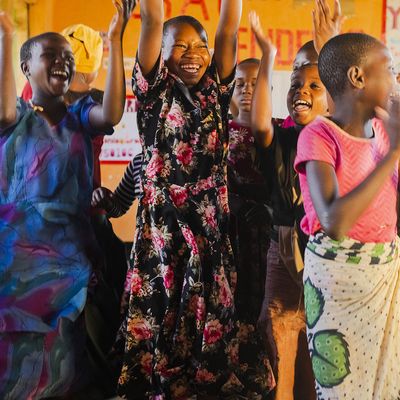
Enabling environment
This pillar promotes and protects the socio-economic rights of adolescent girls and young women by addressing barriers to education, social inclusion, and economic opportunities. Through partnerships with local actors and targeted skills-building initiatives, the AIM programme works to drive sustainable social, institutional, and behavioural change. These efforts help strengthen community support for girls’ education, protect AGYW from violence, and improve accountability for youth-friendly services.
Results so far
5,600+
female and male mentors
382K+
club participants
121K+
young women trained on financial literacy
109K+
participants received start-up inputs to begin their livelihoods
OUR APPROACH